
Listen to this article
Narrated by Dr. Jana Rundle• 1.5 MB
Keyboard shortcuts: Space or K to play/pause • ← → to seek ±5s
"Simply learning that this is a real condition, not weakness, can offer huge relief and open the door to healing."
BLOOM PSYCHOLOGY
Healing Takes a Village
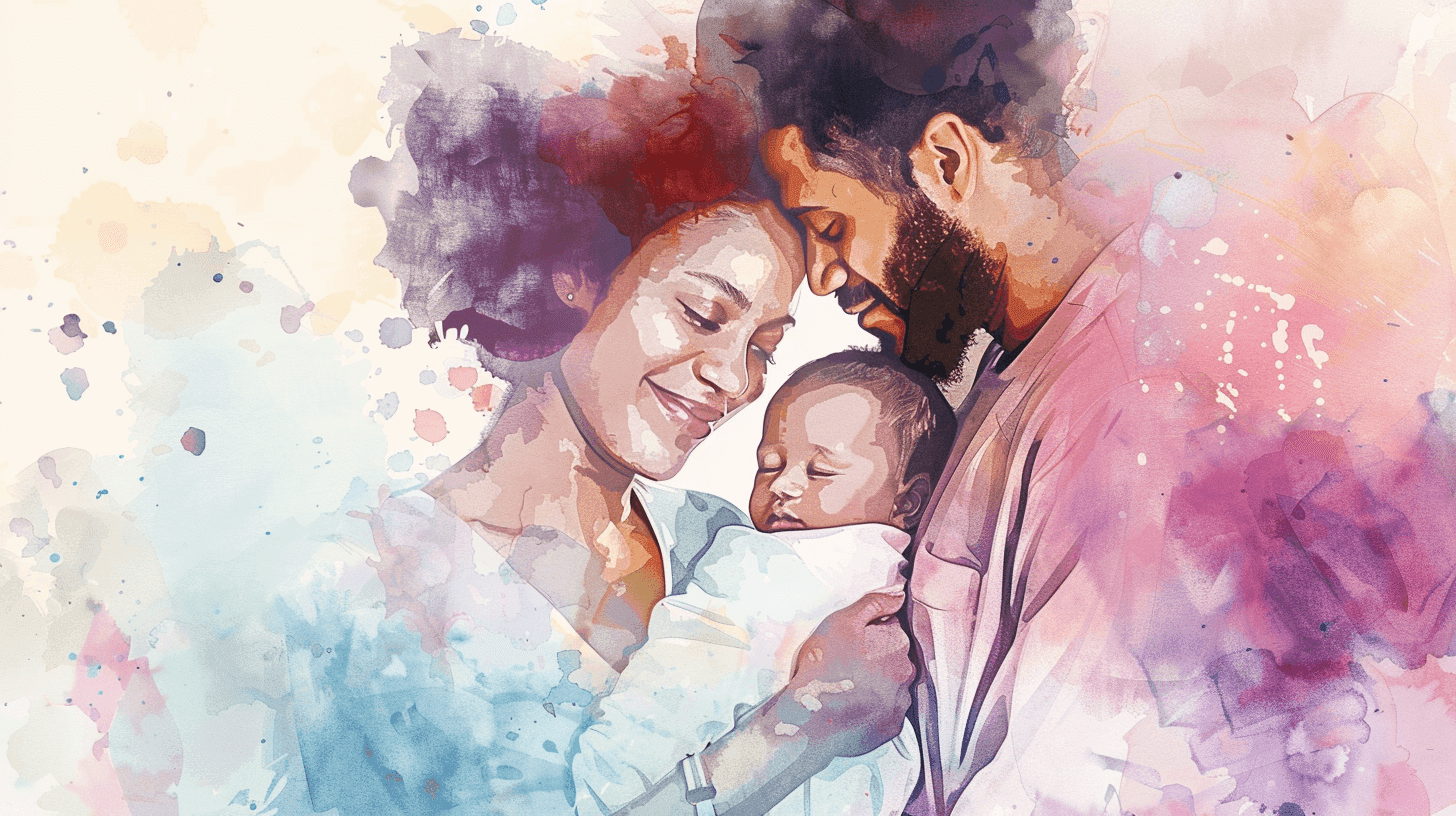
At Bloom Psychology, we believe postpartum care should support the entire parenting team.
If you're a new dad (or partner of any gender) feeling overwhelmed, burned out, or not like yourself. We see you.
You're not alone, and support is available.
Postpartum Support Bootcamp
Our Postpartum Support Bootcamp was designed exactly for this season. It's a short-term, high-impact program to help partners navigate the messy middle of early parenthood, with tools, support, and community.
Learn More About the Bootcamp →Postpartum isn't just about babies. It's about rebuilding the people raising them.
Save This Complete Guide
Pin this article so you can come back to it when you need support. Share it with a partner who might need to hear this today.
📌 Save to Pinterest NowKey Takeaways to Remember
1 in 4 partners experience postpartum depression, often linked to their partner's mental health
Symptoms in men look different – irritability, withdrawal, and numbness instead of sadness
Treatment works – therapy, peer support, couples counseling, and education all help
You're not weak – this is a recognized medical condition with proven interventions
Support is available – you don't have to navigate this alone
Scientific Sources
Paulson, J. F., & Bazemore, S. D. (2010). Prenatal and postpartum depression in fathers and its association with maternal depression: A meta-analysis. JAMA, 303(19), 1961–1969.
Singley, D. B., & Edwards, L. M. (2015). Men's perinatal mental health in the transition to fatherhood. Professional Psychology: Research and Practice, 46(5), 309–316.
Frequently Asked Questions
How long does postpartum depression last?
Postpartum depression typically lasts several months if untreated, but with proper therapy and support, most women see significant improvement within 6-12 weeks of starting treatment.
When should I seek help for postpartum depression?
Seek help if symptoms last more than 2 weeks, interfere with daily functioning, or include thoughts of harming yourself or your baby. Early intervention leads to faster recovery.
Is postpartum depression different from baby blues?
Yes. Baby blues affect 80% of new mothers, last 1-2 weeks, and resolve on their own. Postpartum depression affects 15-20%, lasts months without treatment, and requires professional support.
If you're the partner reading this—burned out, not quite yourself, unsure whether your struggle even counts—hear this plainly: it does. Postpartum affects the whole parenting team, and roughly one in four partners experiences their own mental health shift in this season. Recognizing it as a real condition rather than weakness is often the first relief. You're allowed to need support too, not just to provide it. Learn how we support parents through this season with perinatal therapy in Austin, or book a free consult and let someone help you rebuild, so you can help each other.